
Not All Handmade Soaps Are Created Equal!
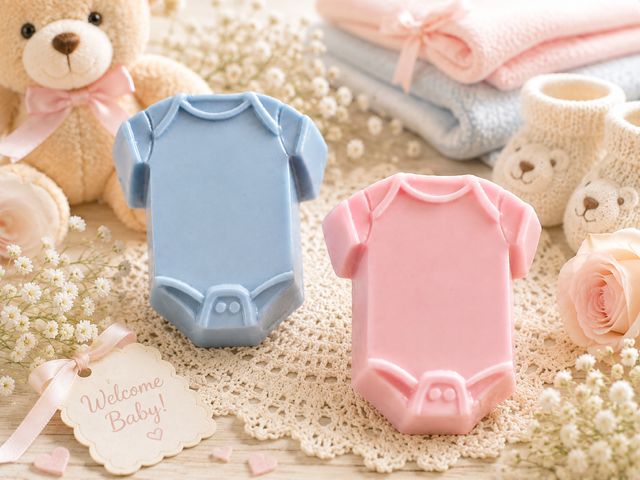
Melt-and-Pour: Where the Fun Began!
Melt-and-pour (MP) soapmaking is exactly what it sounds like. You start with a premade soap base, gently melt it, add your favorite colors and fragrances, and pour it into molds. Once the soap has cooled and hardened, it's ready to use. No waiting weeks for it to cure! One of my favorite things about melt-and-pour is the freedom to experiment with different silicone molds. From adorable baby shower favors to whimsical holiday designs, the possibilities seem endless. The colors can also be incredibly vibrant, especially when using a clear soap base. This makes melt-and-pour perfect for creating colorful, decorative soaps that are almost too pretty to use! And because the soap doesn't require a lengthy curing period, it's especially convenient when creating party favors for special occasions. But here's something else I love about melt-and-pour: I can use it to create decorative soap embeds! Those little flowers, shapes, and other decorative details you sometimes see on top of my cold-process soaps? Many of them begin as melt-and-pour creations. It's a wonderful way to bring both soapmaking methods together.
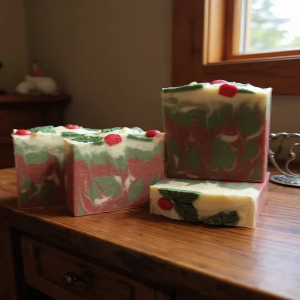
Cold-Process Soap: Where Creativity Meets Chemistry
As much as I enjoy melt-and-pour, I have to admit that cold-process soapmaking has become my favorite. Why? Because it gives me much more control over the ingredients that go into each bar. Unlike melt-and-pour, which begins with a prepared soap base, cold-process soap is made from scratch by combining oils and fats with a carefully measured lye solution. This creates a chemical reaction called saponification, which transforms those ingredients into soap. I enjoy researching different oils, additives, and fragrance combinations to create recipes with their own unique characteristics. And then there's the artistic side! Cold-process soap allows me to experiment with beautiful swirls, layers, colors, and designs. Sometimes I have a very specific design in mind, while other times the soap seems to have ideas of its own! That's part of the fun—and occasionally the challenge—of handmade soapmaking.
Good Things Take Time!
One of the biggest differences between these two methods is the amount of time required before the soap is ready to use. Melt-and-pour soap is made from an already finished soap base. Once it's melted, customized, and allowed to harden, it can be used right away. Cold-process soap, on the other hand, requires patience. After pouring the soap into molds, I allow it to harden before unmolding and cutting it into bars. Then comes the waiting period. My cold-process soaps typically cure for four to six weeks before they're ready for purchase. During this time, excess water evaporates, and the bars become harder and longer lasting. The curing period also allows the soap to develop its finished qualities. It's a little like waiting for something wonderful to come out of the oven—except this time, the wait is measured in weeks instead of minutes!
Why Not Just Use Molds for Everything?
I can! Silicone molds work beautifully with both melt-and-pour and cold-process soap. However, when making individual cold-process soaps in decorative molds, I'm often limited to smaller batches. Each mold holds only so much soap, and making larger quantities can require additional molds and more time. That's one reason I especially enjoy using melt-and-pour for party favors. It's convenient, versatile, and allows me to create a variety of decorative designs. For cold-process soap, I often prefer making larger batches in loaf molds, where I can experiment with swirling colors and creating unique patterns before cutting the loaf into individual bars. And here's the interesting part: Even when I follow the exact same recipe and design, no two batches turn out exactly alike!
So, Which One Is Better?
That's a question I wouldn't answer with one being better than the other. Both methods create wonderful handmade soaps, but they offer different advantages. Melt-and-pour is fantastic for colorful designs, intricate shapes, decorative embeds, and party favors. Cold process gives me greater flexibility in selecting oils, formulating recipes, and creating artistic designs from scratch. Personally, I enjoy cold-process soapmaking the most because of the creative freedom it gives me over both the ingredients and the finished bar. But I still have a soft spot for melt-and-pour. After all, it's where my soapmaking adventure began!
The Best of Both Worlds at A Soap is Born
Whether I'm creating a whimsical party favor, a beautifully swirled cold-process bar, or a decorative soap topped with colorful embeds, every creation begins with an idea and a little imagination. And that's what I love most about soapmaking. There's always something new to learn, another design to try, and another creative challenge waiting around the corner. At A Soap is Born, both methods have a special place in my workshop, and each brings something unique to the soaps I create.
Because whether it's melted and poured or made from scratch, every handmade bar has a story of its own!
Have a question or comment?
We'd love to hear your thoughts on this post.